What Actually Happens to Dubai Real Estate During Times of Crisis? 🇦🇪
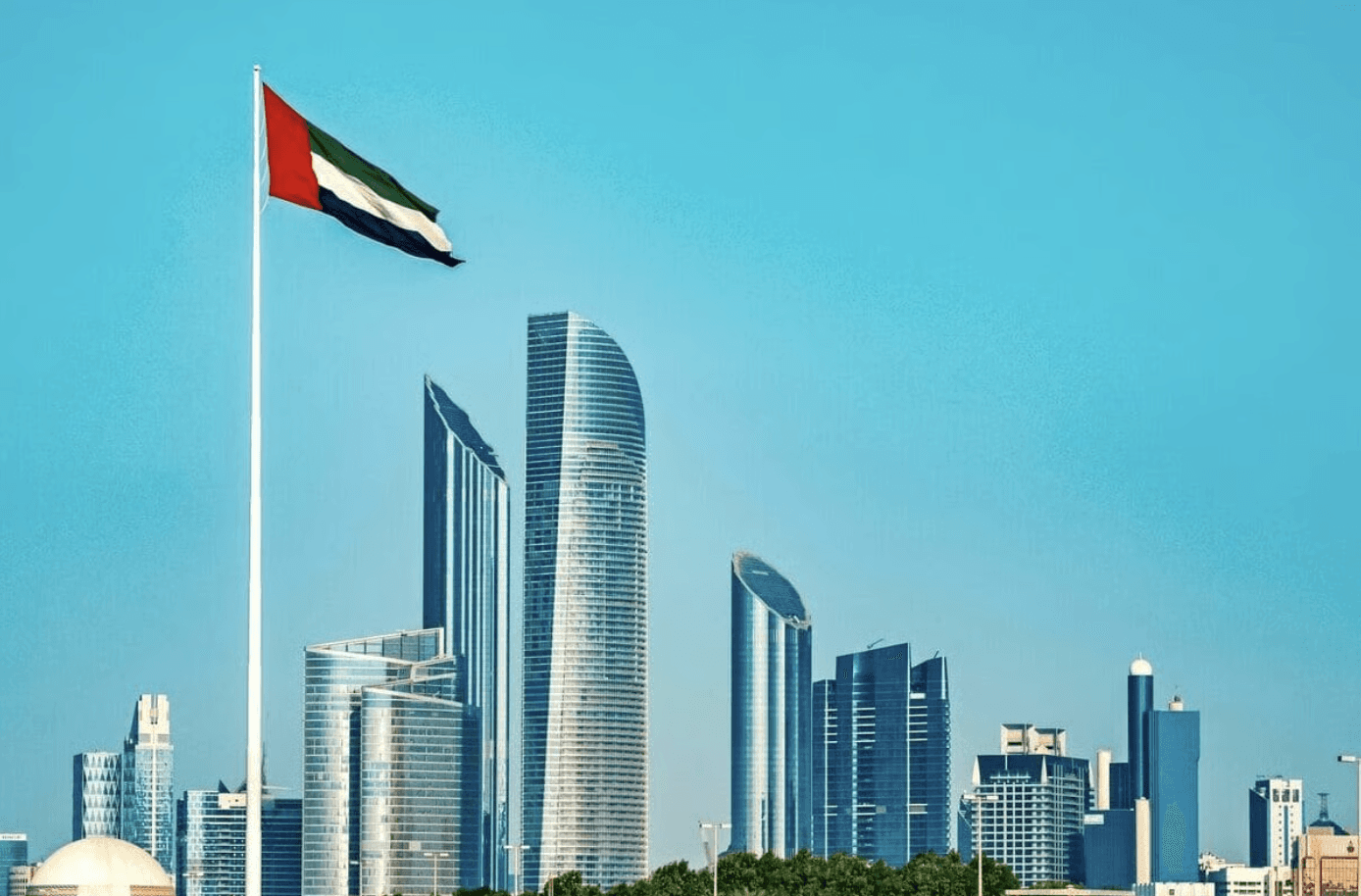
Dubai’s real estate market is often seen as dynamic—and at times volatile. However, a closer look shows that during periods of global or regional uncertainty, it tends to respond in a fairly consistent way: a short-term slowdown followed by a return to growth.
Let’s look at this through real historical examples.
2008 – Global Financial Crisis
The financial crisis had a significant impact on Dubai:
property prices declined by approximately 50%
liquidity tightened and speculative capital exited the market
mortgage and financing conditions became stricter
What followed?
Between 2010 and 2014, the market experienced a strong recovery, with prices increasing by over 100%. The crisis also led to regulatory improvements that strengthened the market long term.
2020 – COVID-19 Pandemic
The pandemic created global uncertainty, but the impact on Dubai was relatively moderate:
short-term price correction of around 10%
temporary slowdown in transaction activity
What followed?
Thanks to a fast government response, an open economy, and an influx of new residents (including remote workers), the market rebounded strongly. By 2022, prices had increased by approximately 60%.
2024 – Dubai Floods
Severe weather raised concerns, but:
there was minimal long-term impact on prices
transaction volumes increased by +38% (Q3 vs. Q3 2023)
This event highlighted the market’s resilience and investor confidence in infrastructure and government response.
2026 – Current Regional Tensions
The current geopolitical situation is having more of a psychological than a fundamental impact on the real estate market:
increased caution among some buyers
longer decision-making timelines
postponed site visits and investment decisions
construction activity continues across major developments
It is important to note that the current situation is fundamentally different from previous events such as the pandemic or local flooding.
This is not a typical economic or natural disruption, but a different type of geopolitical tension and uncertainty, with a distinct impact on investor behavior.
As a result, the market response is driven more by caution and delayed decisions rather than immediate price corrections.
What Do These Periods Have in Common?
Historically, one pattern repeats:
➡️ uncertainty slows decision-making, but does not weaken market fundamentals
📊 Key Drivers of Dubai’s Market Stability
Dubai continues to attract investors due to several core strengths:
strong inflow of international capital
zero personal income tax
investor-friendly regulations (e.g. long-term visas, 100% foreign ownership)
strategic location between Europe, Asia, and Africa
high levels of safety and political stability
proactive government support for economic growth
📈 Conclusion
History shows that Dubai’s real estate market:
may fluctuate in the short term
reacts to global and local events
but is ultimately driven by strong long-term fundamentals
Periods of crisis typically do not destroy value, but rather create a temporary pause in real estate market activity.
While the current situation represents a different type of uncertainty than in the past, the core pillars of Dubai’s real estate market remain unchanged.
In fact, periods when part of the market is waiting often create opportunities for well-informed, strategic investment decisions.
KUBR Properties Team